The report sheds light on the structure and characteristics of the population in Jordan and its historical developments. It also explains the future population trends in Jordan based on the expected demographic changes in the components of population growth
AMMAN – July 24, 2012 – On the occasion of the World Population Day, the Economic Policy Development Forum (EPDF) and the Jordan Higher Population Council , organized a seminar on 'The Population in Jordan 2010' Report at Talal Abu-Ghazaleh Business Forum.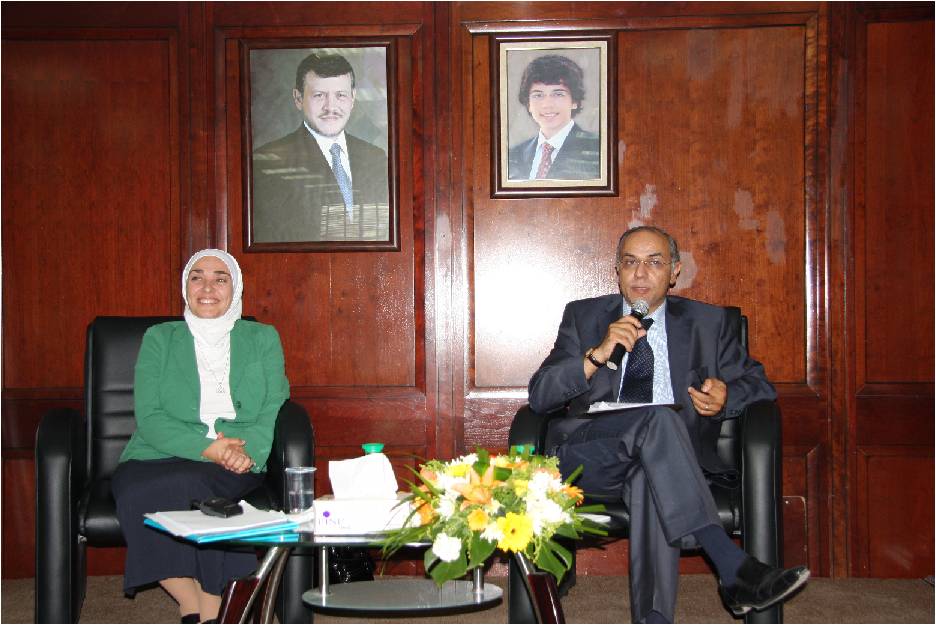
Dr. Raeda Al Qotob, secretary general of the Higher Council for Population, introduced a detailed digital presentation on the report’s results which according to Al Qotob is the first comprehensive national report on the population situation in the Kingdom.
The report sheds light on the structure and characteristics of the population in Jordan and its historical developments. It also explains the future population trends in Jordan based on the expected demographic changes in the trends of population growth.
Al Qotob stressed the fact that if the population growth rate remains unchanged at 2.2%, this will lead to a doubling of the population of Jordan to reach 13 million within thirty years.
She also said that the population growth will affect the major living standards especially the water sector as Jordan is the world's fourth-most water-poor country.
Meanwhile, Dr. Khaled Wazani, Jordan Higher Population Council member said that the Jordanian economy is relatively small, which makes it vulnerable to the economic, social, political and demographic local, regional and international conditions, stating that poverty is the most important challenge facing Jordan's population.
Wazani suggested several key solutions such as eliminating unemployment, raising the minimum wage and stimulating local, Arab and foreign investments in addition to other relevant measures.
The report focuses on Jordan's education and health sectors that showed significant development; the volume of the Jordanian insurance sector increased from 441 312 beneficiaries in 2000 to 1.04 million in 2010.
The report, done by the Higher Population Council in participation with official, private, and civil bodies, with support from the United Nations Fund for Population, is considered the basis and the comprehensive reference to the status of population in Jordan at various levels.
The Council’s aim from organizing such meetings was to come up with recommendations, policies, and trends in various development sectors, to help decision makers to incorporate the population dimension in the development planning process at a national and a provincial level, and to contribute to the achievement of balance between the population growth and the resources available with the involved and concerted efforts of all official, private, and civil bodies.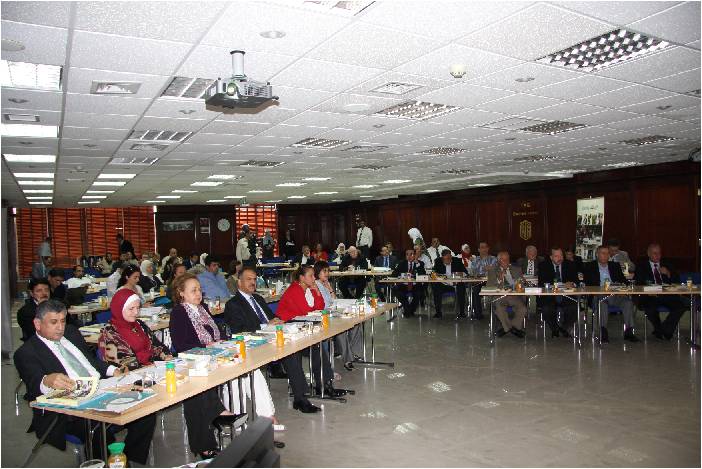
The seminar was attended by a host of university professors, experts, businessmen, representatives of research centers, specialized institutes in economic studies and development, as well as representatives of the media.